Just do it

Image

Our obsession to dissect and understand leadership and elite fitness has gradually elevated both out of the reach to mere mortals.

Fact is, you can become a leader and attain a level of elite fitness, it just depends on how hard you’re willing to work.

Leading a group ride is a perfect example. As the point person, you must assemble a team of riders, map out your destination and route (cue sheet), set a meeting time, distribute the cue sheet, review it with everyone, answer questions, begin the ride, deal with faster and slower riders, mechanical issues, flats, and other unplanned challenges, and make sure everyone gets back in one piece. Then there’s the post-ride celebration, everything from muffins in the parking lot to microbrews in the pub.

It’s a Leadership 101 lesson.

For that glorious ride you are a leader. If you think you need to adopt someone else’s seven habits, go for it, otherwise tap in to what you’re already doing.

Finding your inner elite athlete is as easy as setting and attaining goals. Reaching your goals may never be simple, but the blueprint to get you there ain’t brain surgery.

Navigating the road to excellence takes risk, sweat, pain, and a plan. Are you willing to leave your comfort zone and take the next step?

This could mean:

  • Making unpopular decisions that are best for the overall strategic direction of your organization.
  • Pushing yourself physically in ways you never have.
  • Collecting and analyzing data on your professional and athletic progress.
  • Rearranging your time to selfishly spend some of it developing you.
  • Consistently upgrading the quality of how you’re spending your time exercising, learning, and developing your skills.

How often do we hold ourselves back? From negative self-talk to low self-esteem, fear of failure to time constraints, we have enough shackling us without imagining our goals already out of reach.

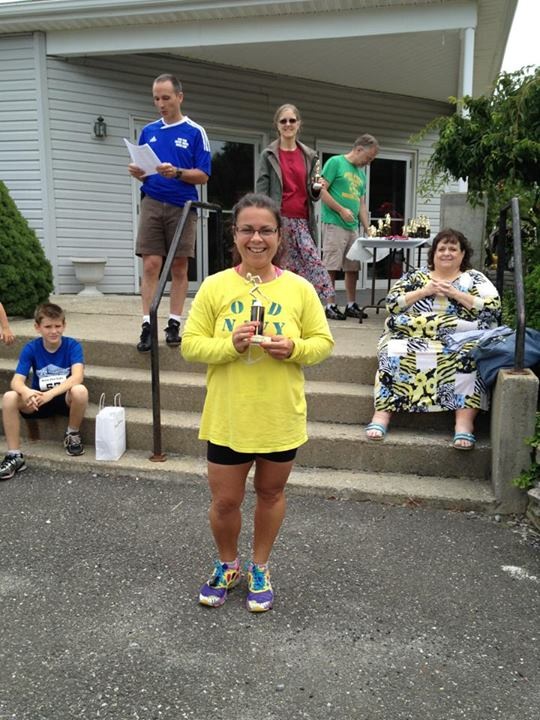
I have a friend, Liz (pictured above) who recently won first place in her age group at a 5K. Her athletic journey has been one of balancing family, friends, obligations, work, and exercising. Like all of us, she’s had successes and setbacks, and through it all she’s made time for her athletic passion and continued to push herself beyond her limits.

I imagine it wasn’t so long ago the idea that she would be wearing a first place 5K medal seemed unthinkable to her. Today, that medal motivates my amazing friend to take her fitness to even higher levels because she is driven to improve.

Drive can be misread as obsessiveness when in fact it’s healthy and necessary for progress. It can be developed over time and incorporated into everything you do with hard work and commitment.

When you make the decision to be a leader and take your athletic life to the next level look inside yourself; you’ll find all the tools you need.
The Bike

Image

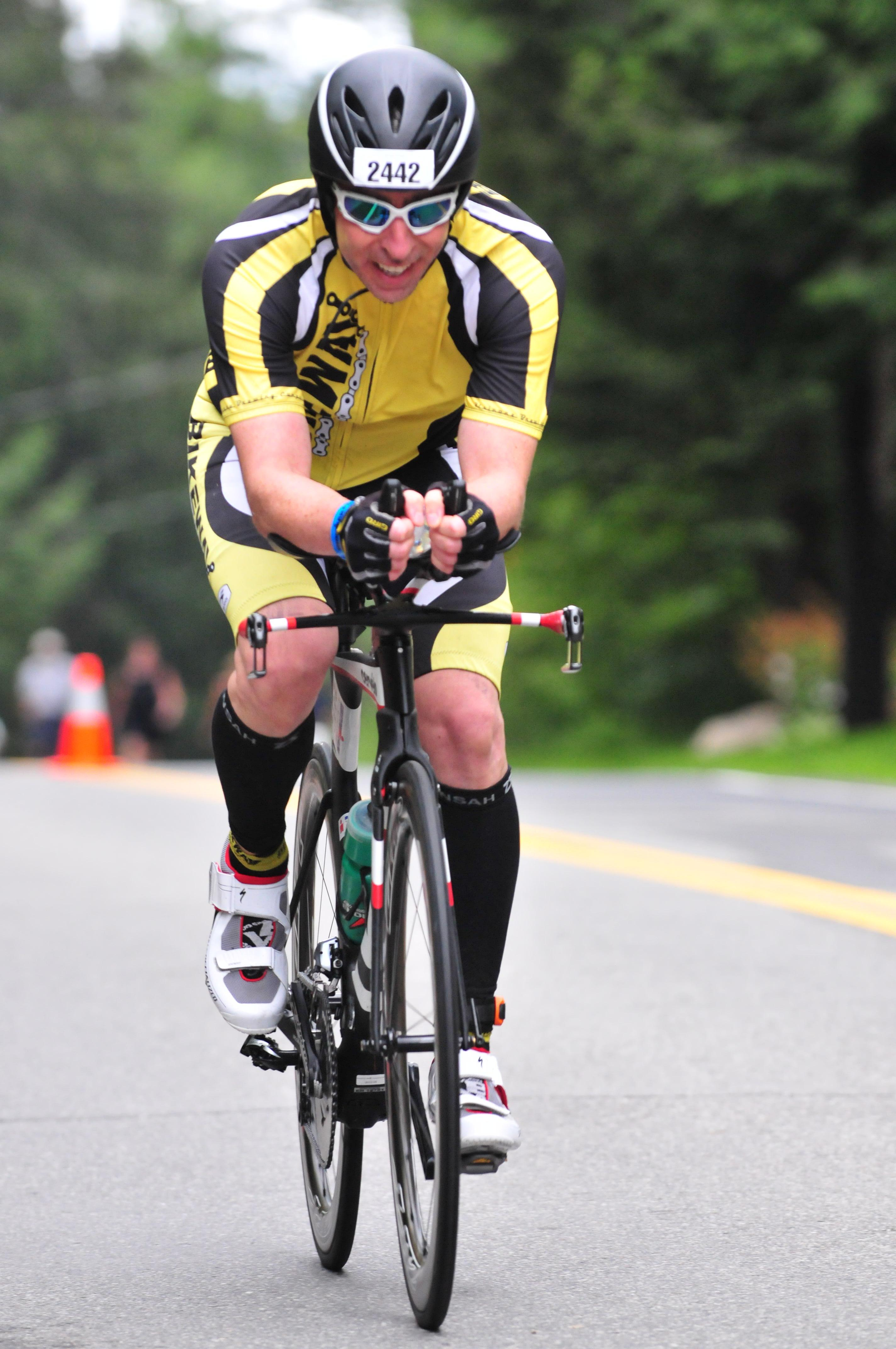
A bike, like your team, relies on vastly different moving parts to get you to your destination.

There’s always the unknown in cycling; flats, crashes, mechanical issues, aggressive drivers, dogs, squirrels, you name it, it’s out there waiting to ruin your ride.

Consider the bike itself; so many intricate and different components relying on each other and proper maintenance to perform like an orchestra. One wrong note and you’re sidelined.

Then, there’s the infamous squeak. How many times have you heard that odd sound coming from your bike and thought it might go away. Once you get used to it, your chain has eaten your derailleur.

It’s the same with teams.

Illness, performance issues, attitudes, divorce, personality clashes, you name it, it’s out there waiting to tear your team apart. And, there’s always that squeak, a nagging issue that goes from ripple to tsunami in an instant. Like rust on steroids, ignoring the small stuff eats away at your team.

Some things to consider:

  • Learn how your bike and team works. Ask your local bike shop mechanic if you can get a hands-on rundown of the major issues you might face on the road and how you would fix them. There are also plenty of videos and articles on the subject. As for your team, dissect it the same way. List your team members along with their strengths, weaknesses, and tendencies. Assign your team members to a part of your bike and see where you’re loaded and lacking. Who is steady and strong but needs to be steered, like your wheels? Who can you lean on to help you lead, like your handlebars? Who drives the team from within and can adapt to changing inclines, like your chain ring? Who keeps you on track like your Garmin? Take a picture of your bike and place your team members appropriately alongside their part. You’ll see where you need help and where you’re strong.
  • Take care of your bike and team and you’ll be rewarded. Nothing works better than preventative maintenance. Check in with your people on a regular basis, reward their successes in meaningful, sincere ways and listen to their ideas and concerns. Take your bike in for regular check-ups, wash it regularly, and keep your chain clean.
  • Address the squeak immediately. Don’t let an issue grow out of control. Learn to recognize the early warning signals and respond immediately.
  • Replace parts and team members when necessary. A bad fit or defective part will throw everything and everyone out of whack. Spend your time leading, not fixing.
  • Let your team know how much you enjoy the ride. Your approval should be seen before it’s spoken.
  • Make certain you and everyone involved knows where you’re going and how you’re getting there. If you need to recalculate your direction, communicate.

If you’ve ever experienced that amazing ride or been part of an outstanding team, you know the unlimited potential of both; they will change your life and the world.